
At Scotch Junior School, we believe the Early Years are not simply preparation for “real learning” but rather the foundation upon which a lifelong love of learning is built.
Early Years, defined as Pre-Kindy to Year 2, represent a remarkable window in a child’s development: a time of curiosity, imagination, rapid growth and limitless possibility. Our youngest boys begin this journey in our Early Learning Centre. When approached thoughtfully, these years ignite a spark that shapes how boys see themselves as learners for years to come. When not done well, learning switches off and school is no longer seen as an exciting place but rather a place where children don’t want to be.
Lighting the fire for learning
Young boys arrive at school naturally curious. They question, build, experiment, imagine and explore our world with energy and wonder. Too often, traditional schooling unintentionally narrows this curiosity by prioritising compliance over exploration or outcomes over discovery. At Scotch Junior School, we work differently. Our focus is lighting the fire for learning, and keeping it burning. Rather than shutting down creativity and wonderings, we nurture them. We recognise that deep learning happens when boys are engaged, emotionally connected and actively involved in their experiences. By honouring how young children naturally learn, we create an environment where curiosity and wonder become the drivers of growth.
Seeing the child as capable
Our philosophy is that every child is capable, competent, rich in potential and uniquely themselves, arriving with his own strengths, interests, culture and ways of understanding the world. These differences are not obstacles; they are assets that enrich our learning community. Through the International Baccalaureate Primary Years Programme, cultural identity and diversity are respected and reflected, encouraging a global outlook whilst valuing each child’s personal story. Boys learn not only about themselves, but also about others, developing empathy, respect and a broader understanding of the world around them.
Teachers who make the difference
Exceptional Early Years education depends on exceptional educators. Our teachers are hand-selected, highly experienced and leaders in their profession. They understand child development deeply and know how boys learn best, through movement, inquiry, collaboration and purposeful play. Rather than simply delivering content, our educators observe, listen and respond, designing learning experiences that challenge thinking, encourage independence and support each child’s individual journey. Their expertise ensures that learning is intentional, meaningful and joyful.
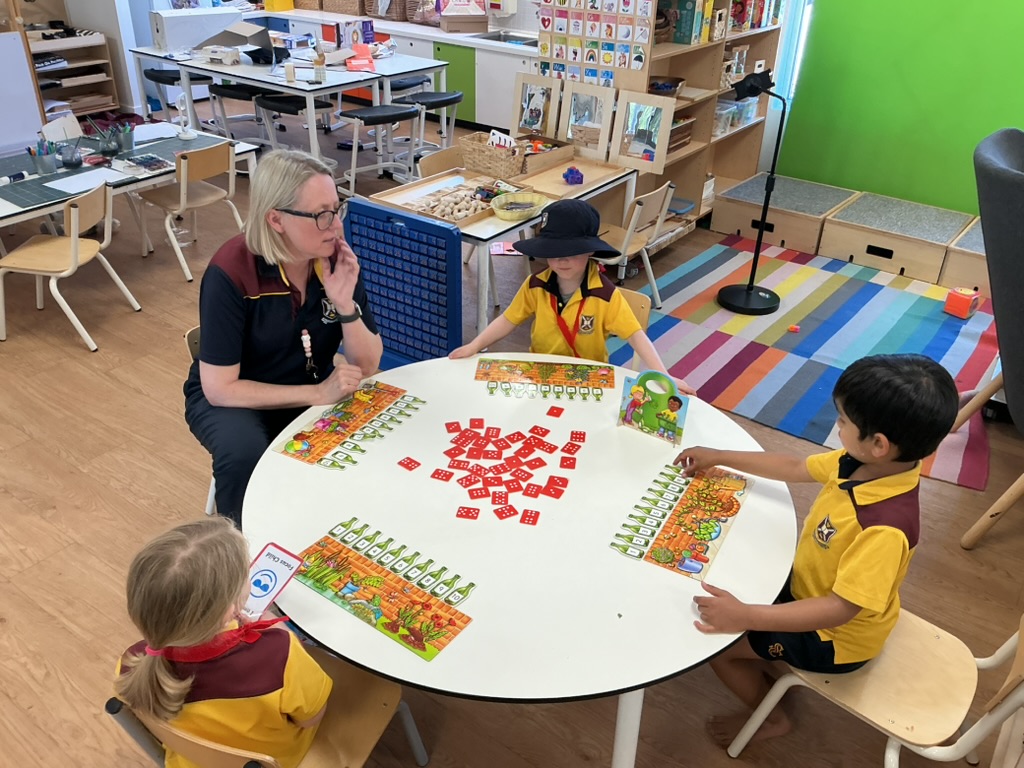
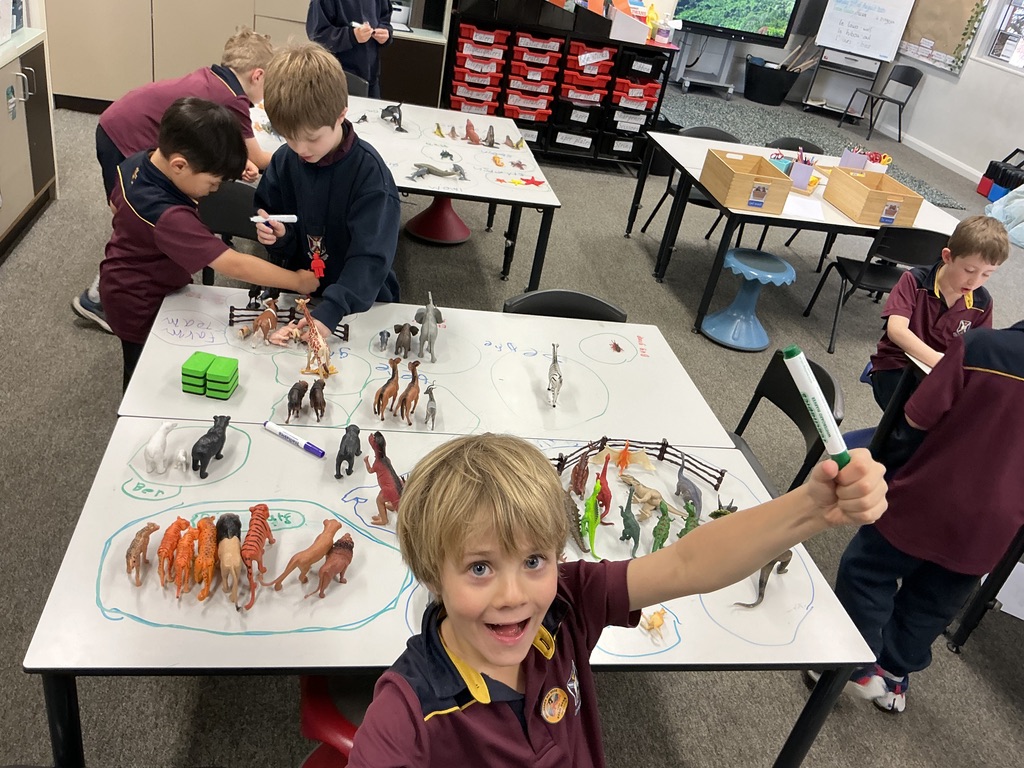
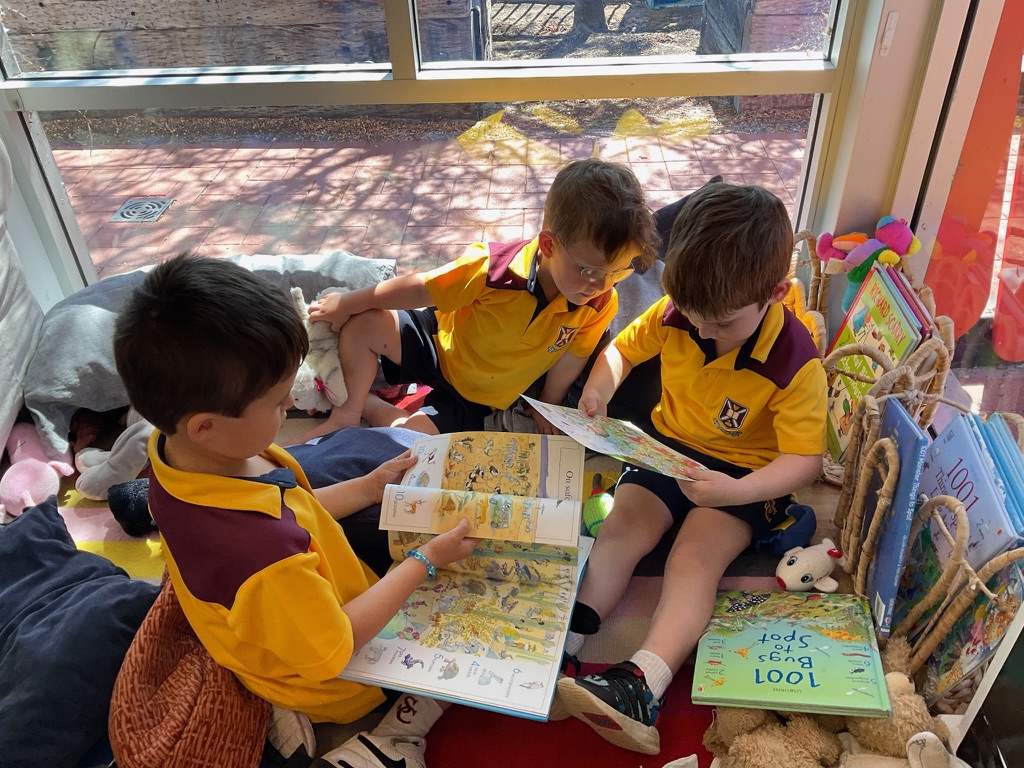
Exploration, experimentation and investigation allow children to test ideas, solve problems and develop resilience.
Inquiry through play, exploration and investigation
Children learn best when they are active participants. Through carefully designed provocations, boys are empowered to think independently and become active inquirers. Play is not separate from learning; it is the vehicle through which learning happens. Exploration, experimentation and investigation allow children to test ideas, solve problems and develop resilience.
These experiences build critical thinking, creativity and confidence, essential skills that extend far beyond the classroom. It is important to note that at Scotch College, we do not leave our boys’ learning to chance. To ensure each child develops the skills required to become a lifelong learner, we closely track and monitor progress. In addition to the pedagogy outlined above, our teachers utilise developmentally appropriate, explicit teaching strategies.
The classroom environment
Our learning spaces are mindfully co-constructed with children to inspire curiosity and engagement. We view the environment as the “third teacher,” alongside educators and peers. Classrooms are dynamic, flexible and rich with authentic materials that invite discovery and collaboration. These environments encourage boys to ask questions, revisit ideas and take ownership of their learning. When children feel a sense of belonging within their space, they become more confident learners, willing to take risks and try new things.
Learning beyond the classroom: Nature Pedagogy
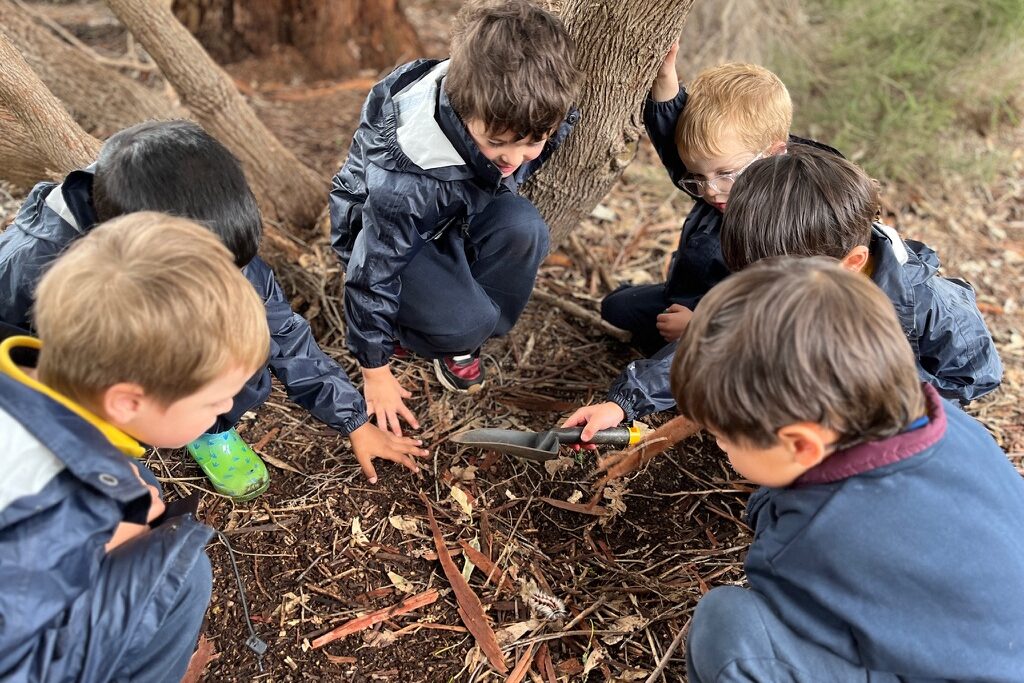
Understanding the interconnectedness of the world begins with experiencing it firsthand. Through our Nature Pedagogy, children regularly learn outdoors, investigating their environment and engaging with the natural world. Nature awakens children’s innate sense of wonder. It invites curiosity, problem-solving and imagination while fostering responsibility and care for the environment. Outdoor learning supports physical development, emotional wellbeing, social connection and skill development, whilst fostering a deeper appreciation for the world they live in.
Partnership, resilience and belonging
Education works best when school and home work together, supporting children as they grow in independence and confidence. We form a strong partnership with families and connections to the broader community from the beginning of your son’s journey at Scotch. Through everyday experiences, boys learn resilience, perseverance and self-belief. They are encouraged to try, to fail safely, to try again and to celebrate progress along the way. Our priority is that every child feels safe, secure and supported within a fun, dynamic and holistic learning community.
A foundation for lifelong learning
When Early Years education is done right, children leave with more than early academic skills. They develop curiosity, confidence, empathy and a genuine enthusiasm for learning. They see themselves as thinkers, creators and problem-solvers.
“High-quality programs complement and motivate children’s natural curiosity, sense of fun and zest for learning. Educators provide active, engaging and challenging opportunities for children to learn through an orchestrated blend of play-based learning with intentionality, deliberate and intentional teaching, and spontaneous experiences and interactions.”
– SCSA Kindergarten and PP Statement, 2026.
Mrs Maria Hodges Head of Junior School
Mrs Racquel Cumming Early Years Coordinator